
A new industry report circulating this week put numbers behind something we’ve been flagging since early July: the road salt market isn’t just tight, it’s structurally exposed in a way that has nothing to do with how much salt is sitting in the ground. If you’ve already locked your winter deicing contract, this is confirmation you made the right call early. If you haven’t, this is the data that should move it to the top of the list.
It’s Not a Mining Problem. It’s a Trucking Problem.
The instinct is to assume a salt shortage means there isn’t enough salt. That’s not actually what happened this past winter, and it’s not what’s driving the current pricing pressure. North America produced plenty of salt. The failure was getting it from the port to the pile.
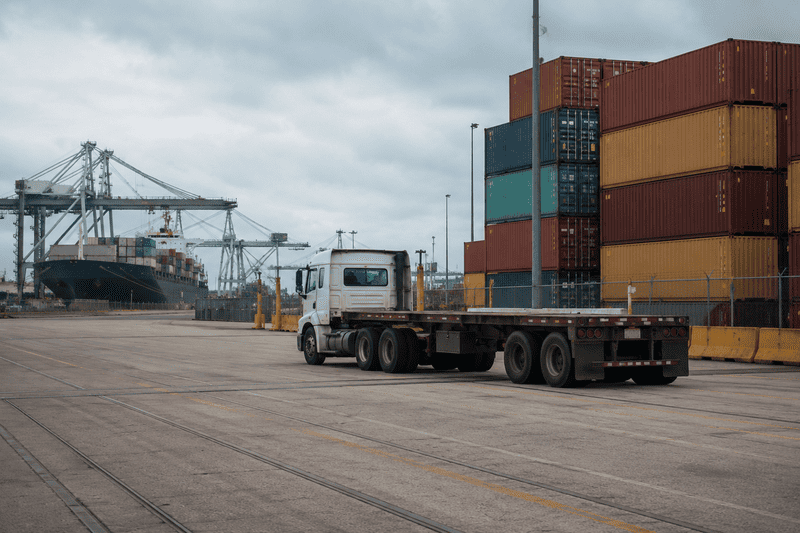
During the early-2026 crunch, Detroit-area spot prices for road salt hit roughly $300 per tonne against contracted rates near $100 — a three-fold spread. The cause wasn’t scarcity at the source. Thousands of tonnes of imported salt sat stranded at Newark and Baltimore because there weren’t enough commercial drivers willing to move bulk corrosive cargo at the rates municipalities were offering. The material existed. It just couldn’t move.
That distinction matters more than it sounds like it should, because it changes what “securing your supply” actually means. Locking a price on paper doesn’t protect you if the salt behind that price is sitting on a barge in a East Coast rail yard, waiting for a truck that isn’t coming.
The Underlying Deficit Isn’t Getting Better
Layer the structural picture on top of that, and the logistics risk gets harder to write off as a one-time fluke. No comparable North American rock salt mine has opened since 2001. Since then, supply has only tightened further: a Gulf Coast mine ceased production entirely, pulling an estimated 2.5 million tons a year out of the East Coast market, and a second operator’s assets in New York and Cleveland have sat unsold since a divestiture process stalled in 2023 over environmental liabilities — another roughly 2 million tons a year of capacity that exists on paper but isn’t reaching buyers.
North America currently leans on imports for somewhere around a fifth to a third of total salt consumption. That import dependence is exactly what turned a trucking shortage into a 300 percent price spike in Detroit. It’s the same dependence that exposed municipalities in Ontario to wholesale prices jumping from roughly $65-$70 a tonne to nearly $190 during their second shortage in under a year.
None of that is Connecticut-specific. But none of it stops at a state line, either. The same port congestion, the same driver shortages, and the same import-dependent supply chain run through the Northeast corridor that feeds Farmington Valley, Hartford County, and everywhere else regional distributors draw from.
The Question That Actually Matters Now
If price alone isn’t the risk — reliability is — then the question worth asking your supplier this month isn’t just “what’s your rate.” It’s “where does this salt actually come from, and how does it get to me.” A supplier sourcing from a mine with direct regional trucking relationships is carrying a fundamentally different risk profile than one leaning on imported material that has to clear a congested port and find a driver during exactly the week every other buyer in the region needs one too.
That’s a harder question to ask in November, after you’ve already signed. It’s a completely reasonable one to ask in August, while there’s still time to act on the answer.
What This Means If You’re Still Deciding
- If you’re a municipal buyer who hasn’t finalized your winter salt contract yet, treat “guaranteed delivery” as a real line item in the negotiation, not boilerplate. Ask what happens to your order if a shortage hits — not whether one might, but specifically what your supplier’s contingency is.
- If you’re a commercial property manager relying on a snow contractor’s seasonal price, ask where their material is coming from. A fixed price is only as reliable as the supply chain behind it.
- If you’re a contractor pricing seasonal work, this is the exact scenario the last two posts on this site warned about: locking a multi-year price before locking your own material source turns a market event you can’t control into a margin problem you own alone.
- Across the board, regional and domestically-trucked supply is worth a premium right now if it means your order doesn’t depend on a port that already buckled once this year.
The Bottom Line
This week’s report isn’t a new warning. It’s confirmation of the one already in play since the fiscal year turned over in July: the risk in this market sits in logistics as much as in tonnage, and it doesn’t resolve itself by waiting. The buyers who treated August as decision time instead of planning time are the ones who’ll spend this winter managing snow events instead of managing a supply crisis.
KDM Services supplies bulk granular and liquid deicing products, storage tanks, and municipal ice control programs across Connecticut, New York, and Massachusetts, with delivery built around regional supply relationships rather than import-dependent logistics. If your winter contract isn’t finalized, or if you’re not sure where your current supplier’s salt actually comes from, now is the time to ask.


